
Charité – Universitätsmedizin Berlin
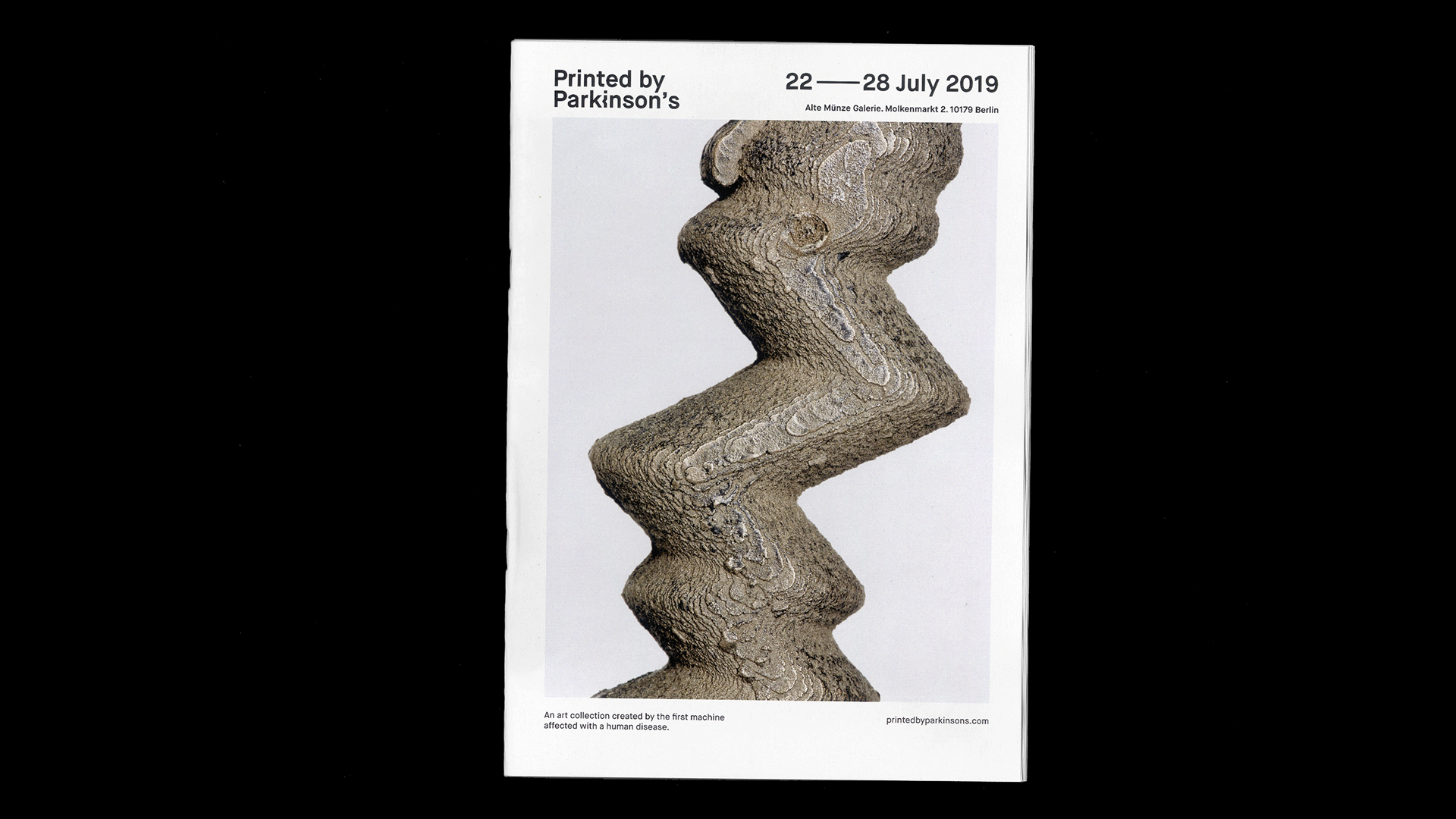
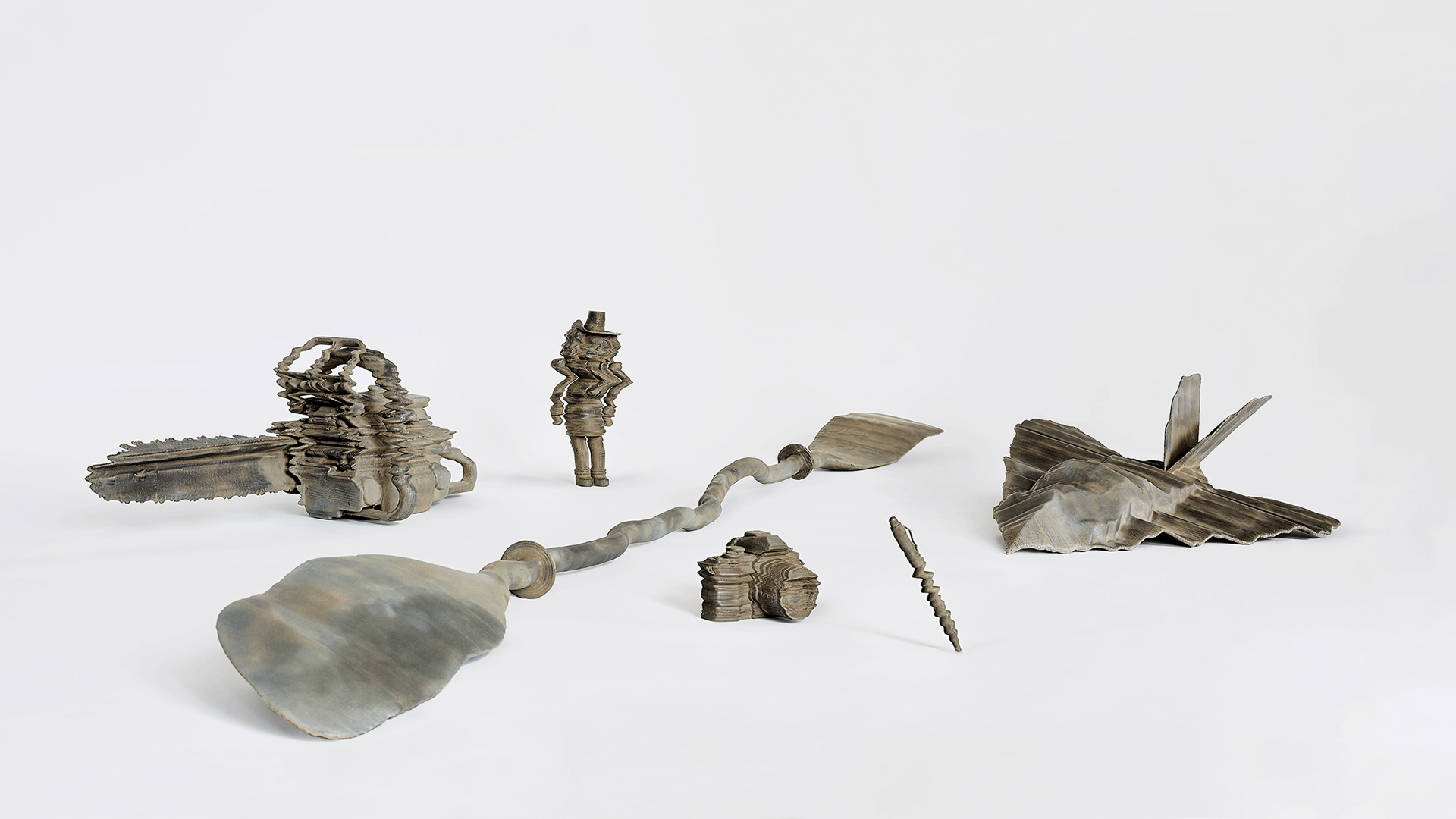
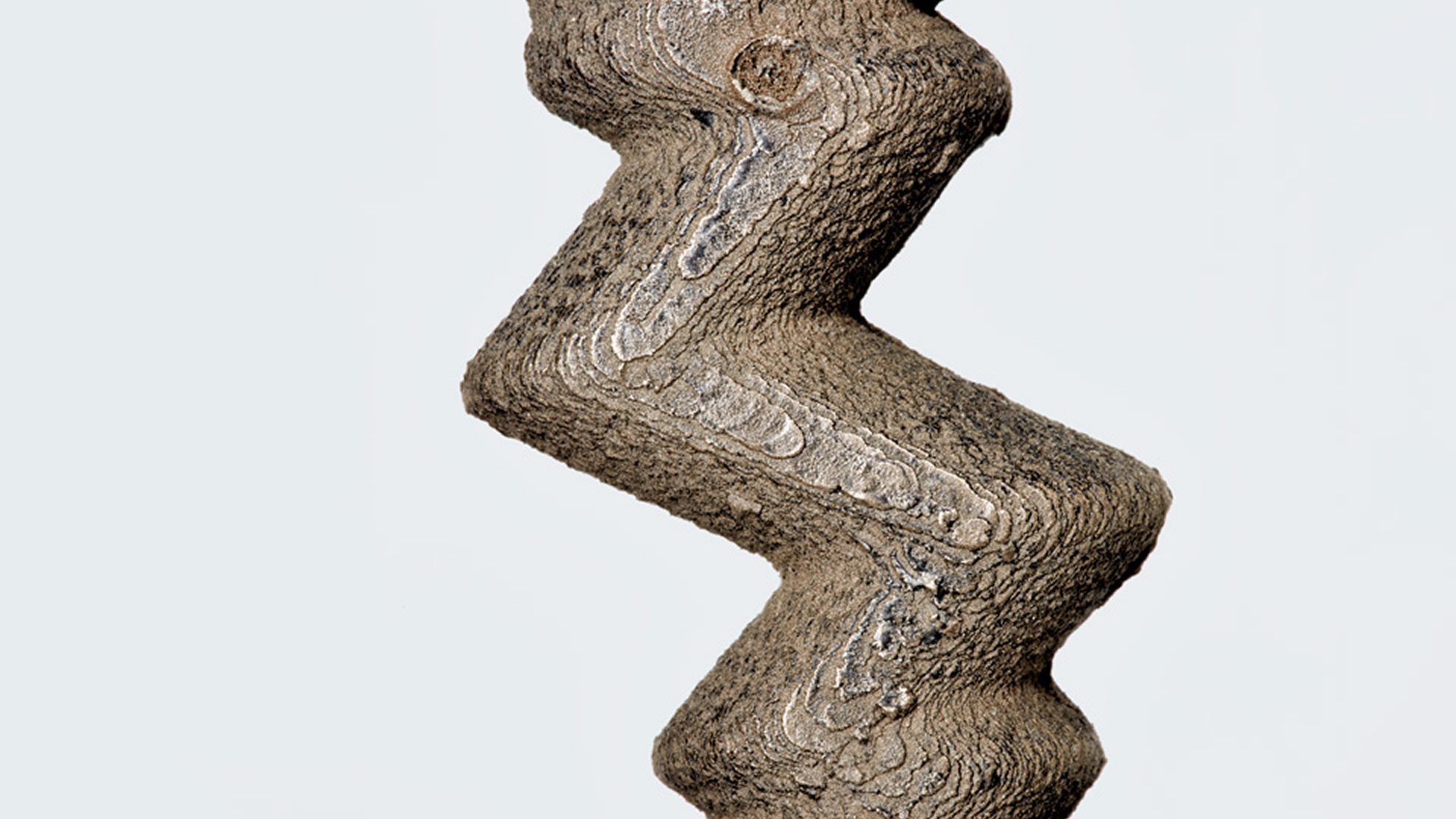
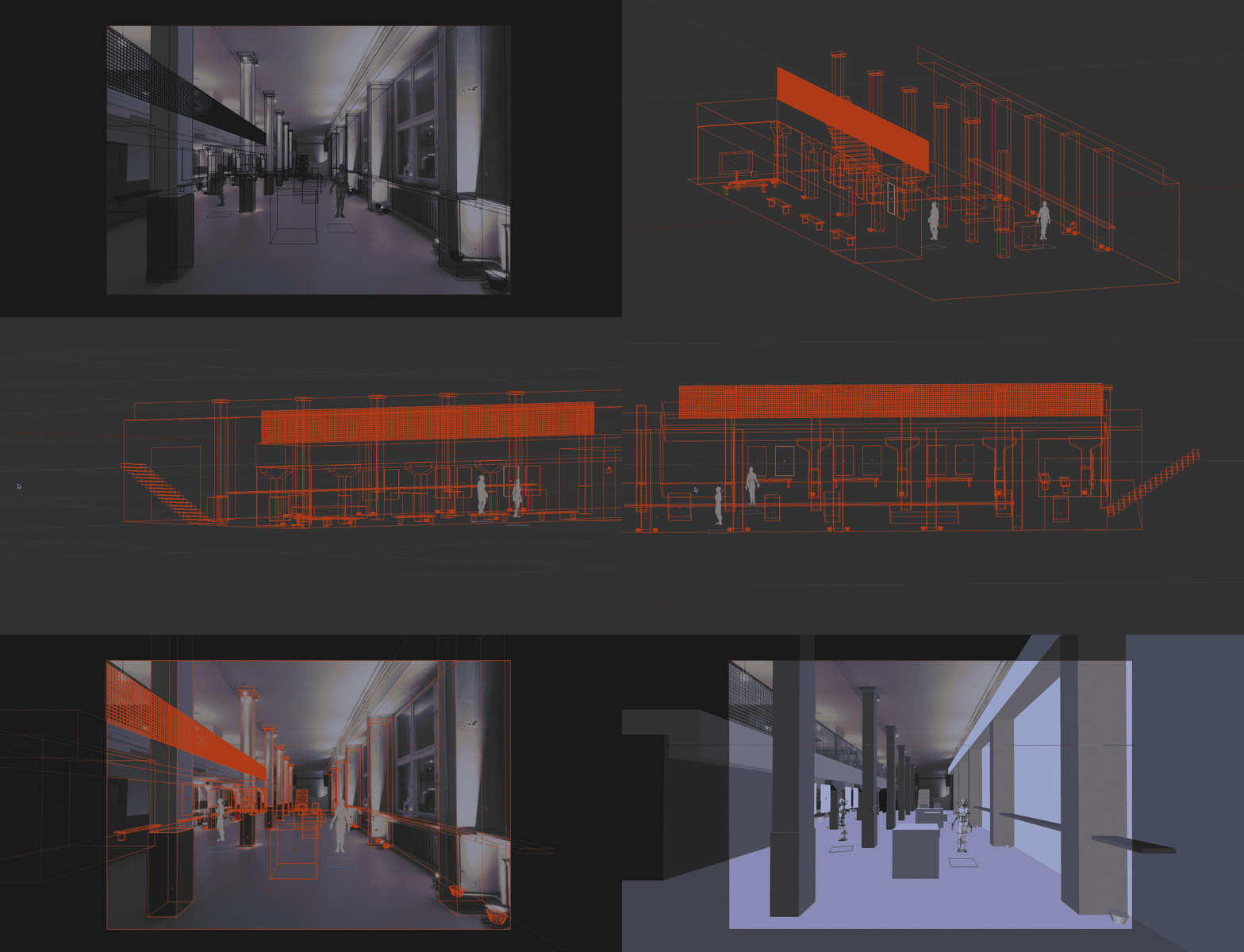

An art collection created by the first machine affected with a human disease.
Over 200 years after it was first diagnosed, Parkinson’s disease still has no cure. Commonly misunderstood as simply a “shaking disease,” it actually includes over 40 symptoms—many of which remain invisible to the public. The real danger lies in the lack of awareness, which fuels stigma, isolation, and a widespread underestimation of its daily impact.
To raise awareness and reignite the conversation around research and understanding, we partnered with Charité Berlin, one of Europe’s largest university hospitals, and set out to create something impossible to ignore. Together with courageous patients, artists, and technologists, we developed an idea that visualised the condition in a deeply human way.
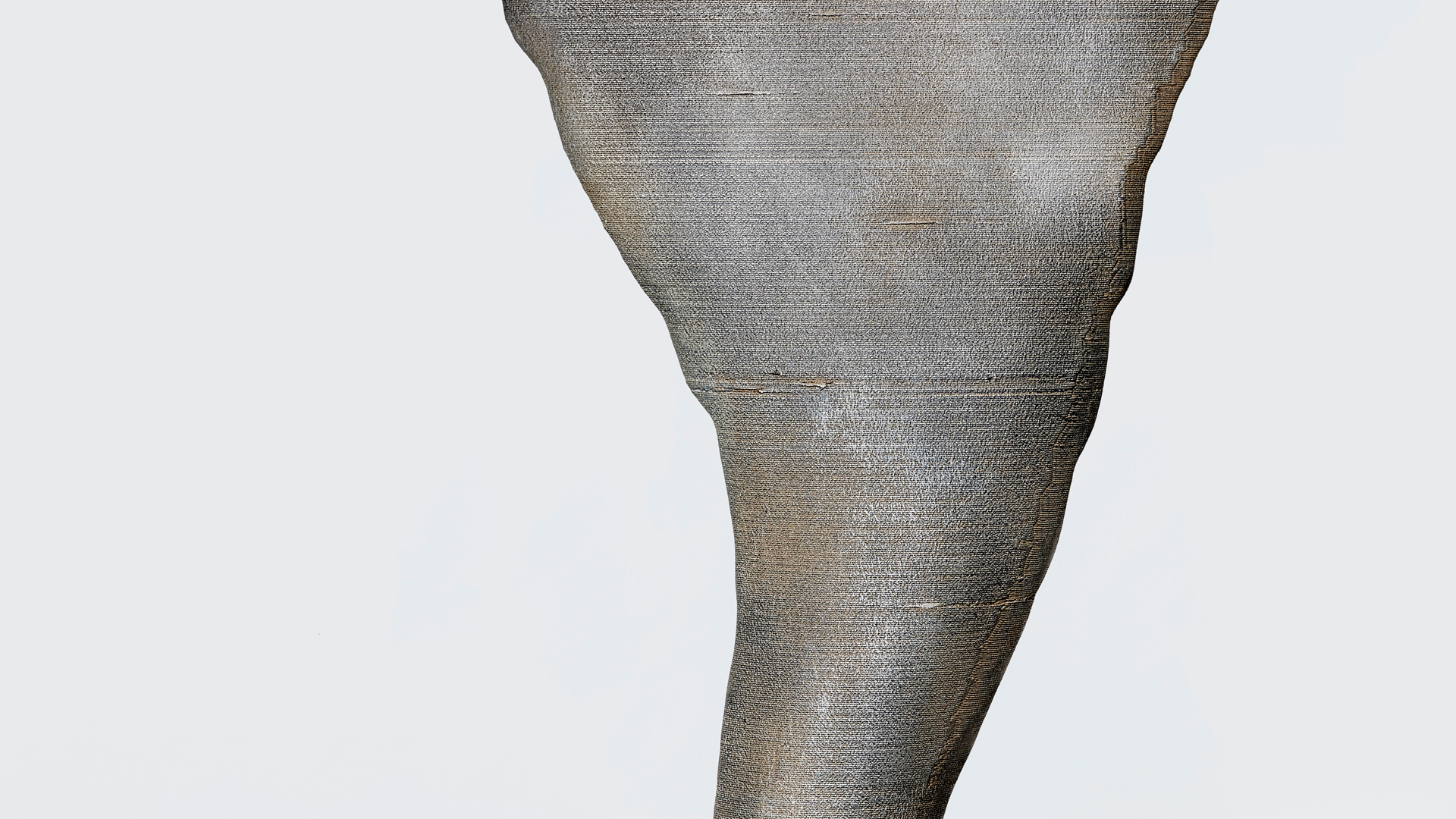
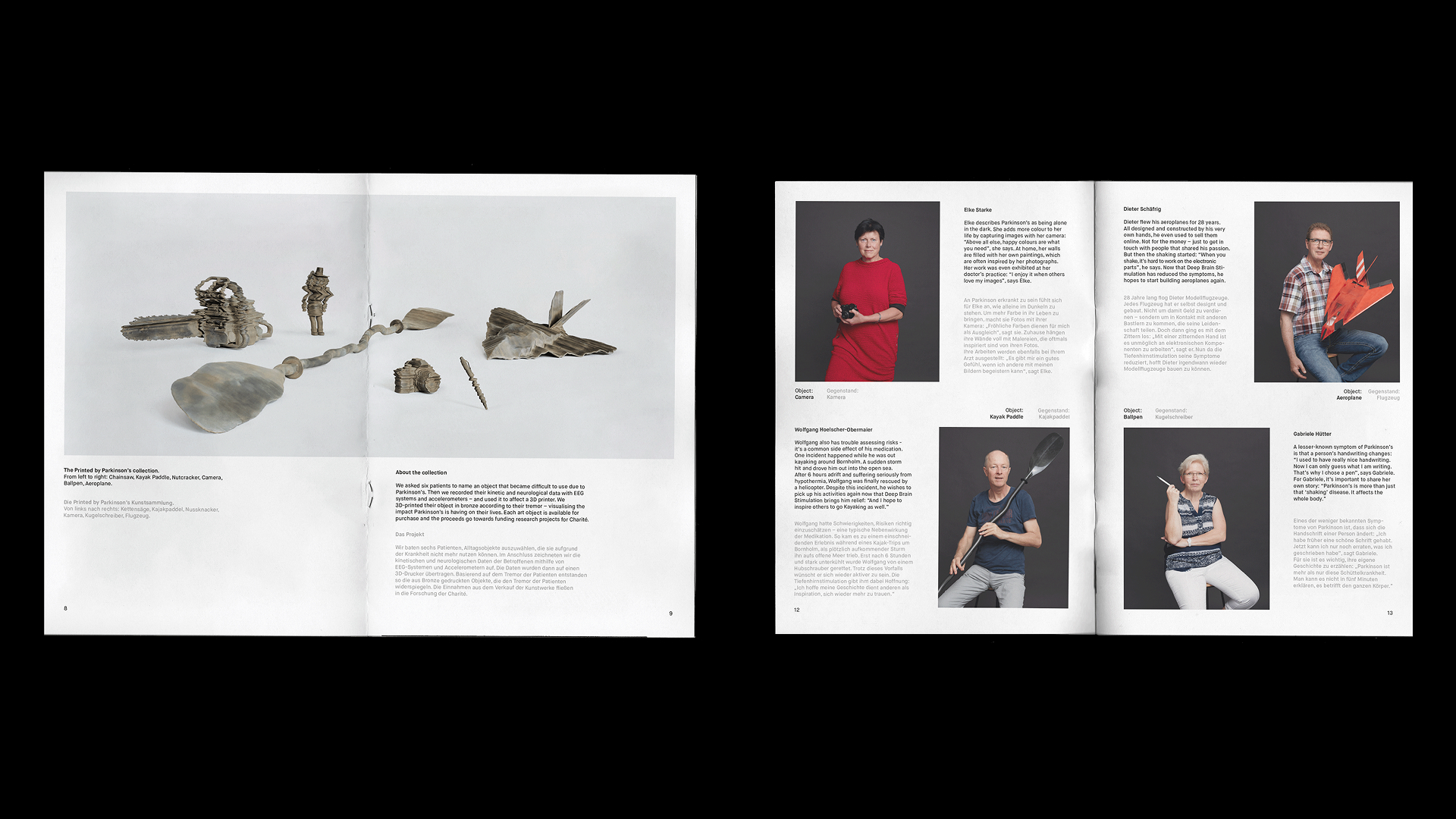
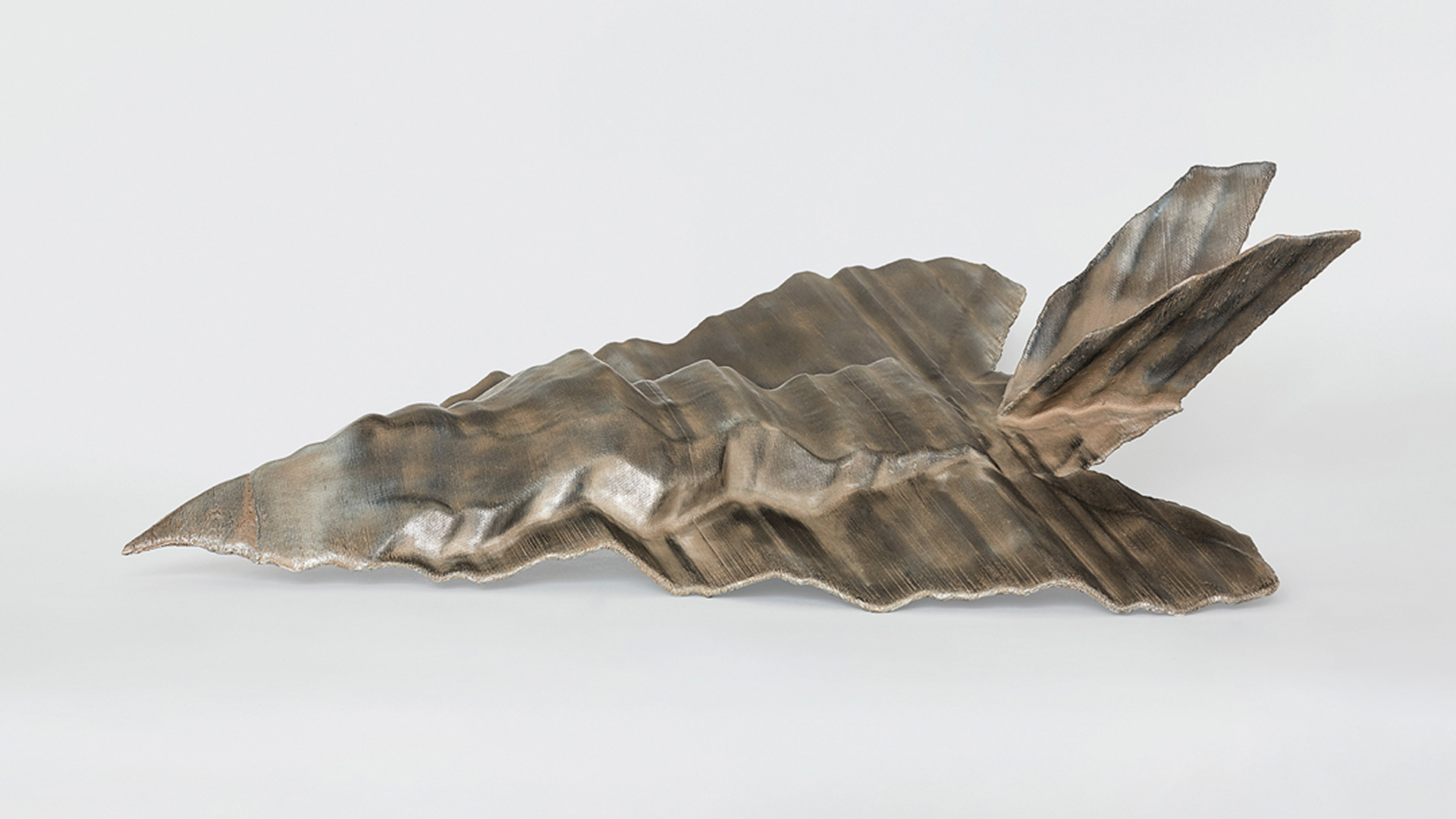
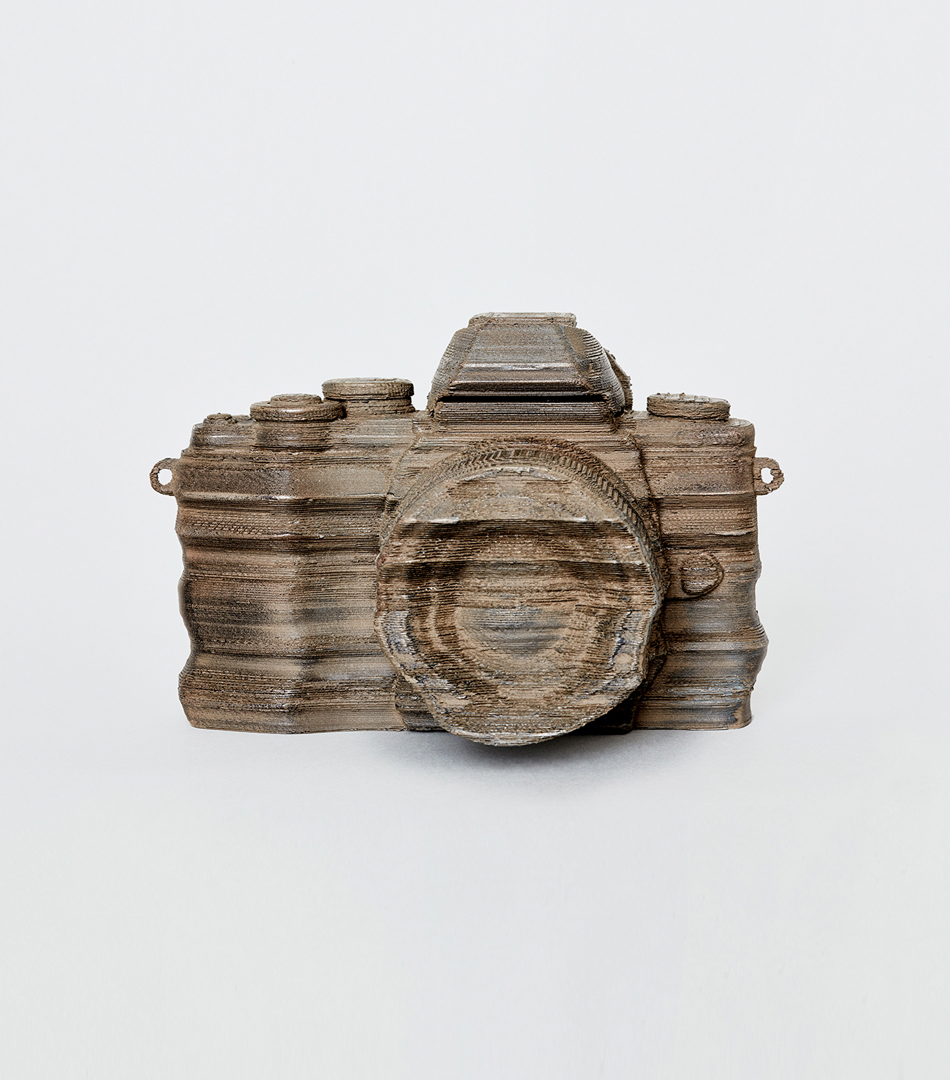
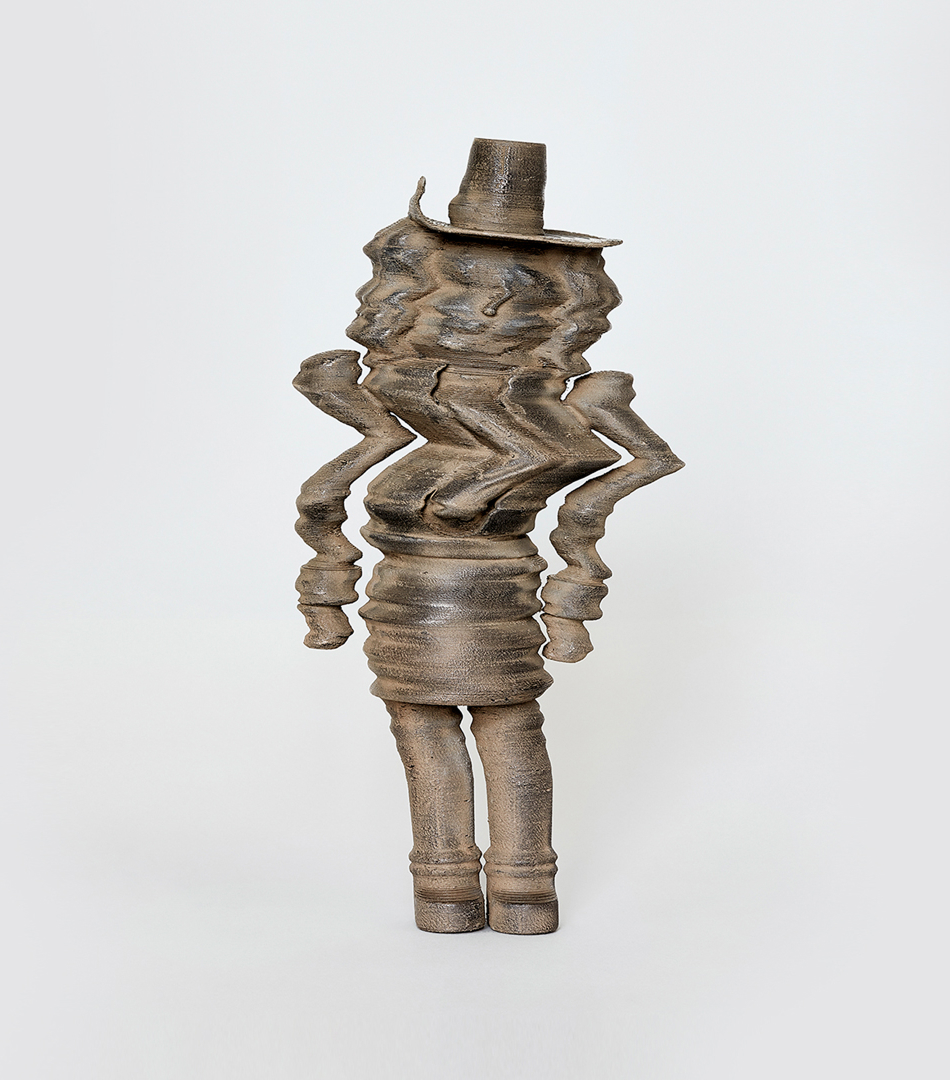
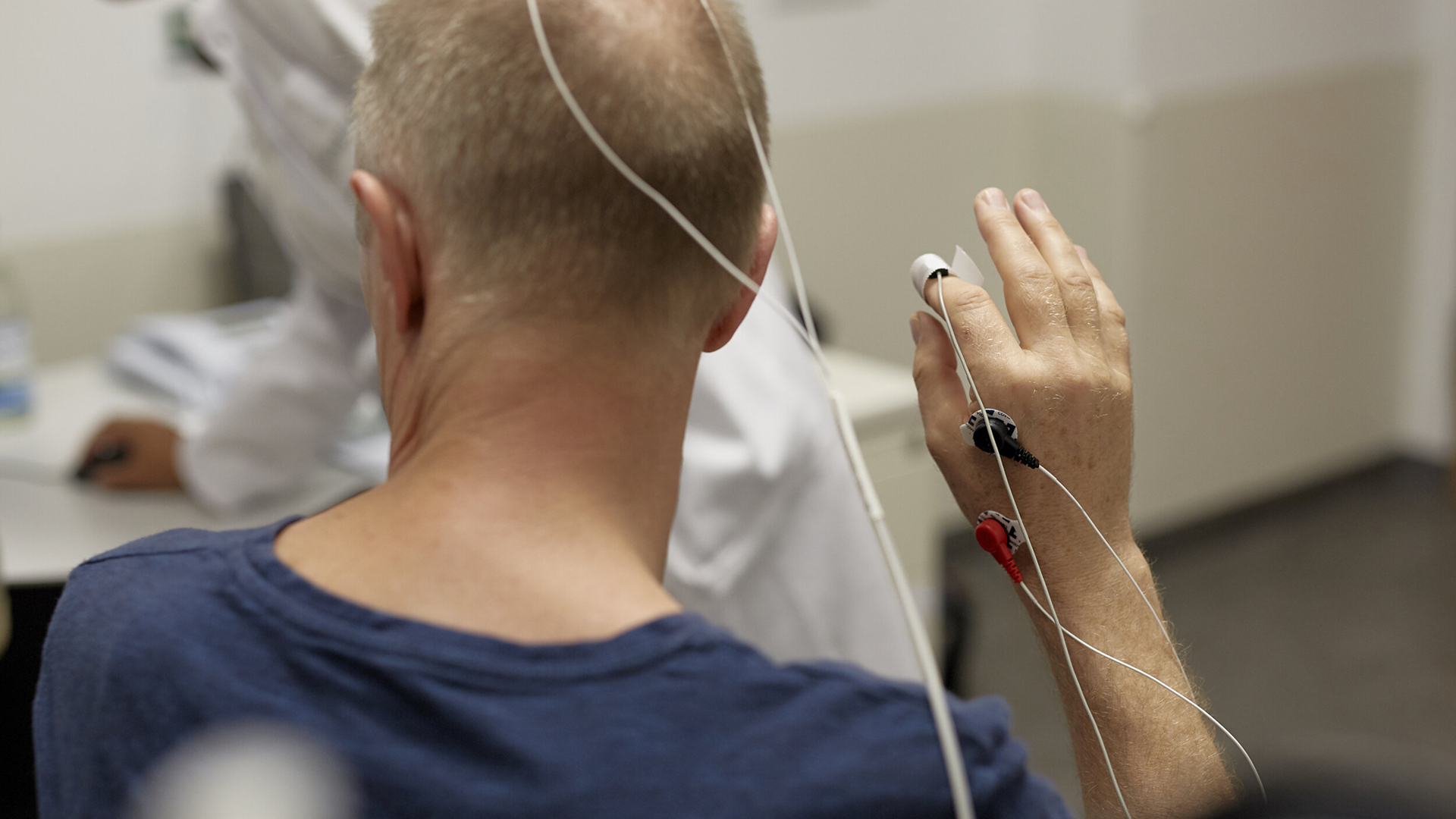
We 3D-printed the beloved personal objects of six Parkinson’s patients, each print deliberately distorted using their own tremor data. The result: a tangible, visual expression of how the disease affects their hands, their routines, and their lives. Each object was paired with an emotional interview, revealing not just the challenges of Parkinson’s, but the patients’ resilience, humour, and hope.
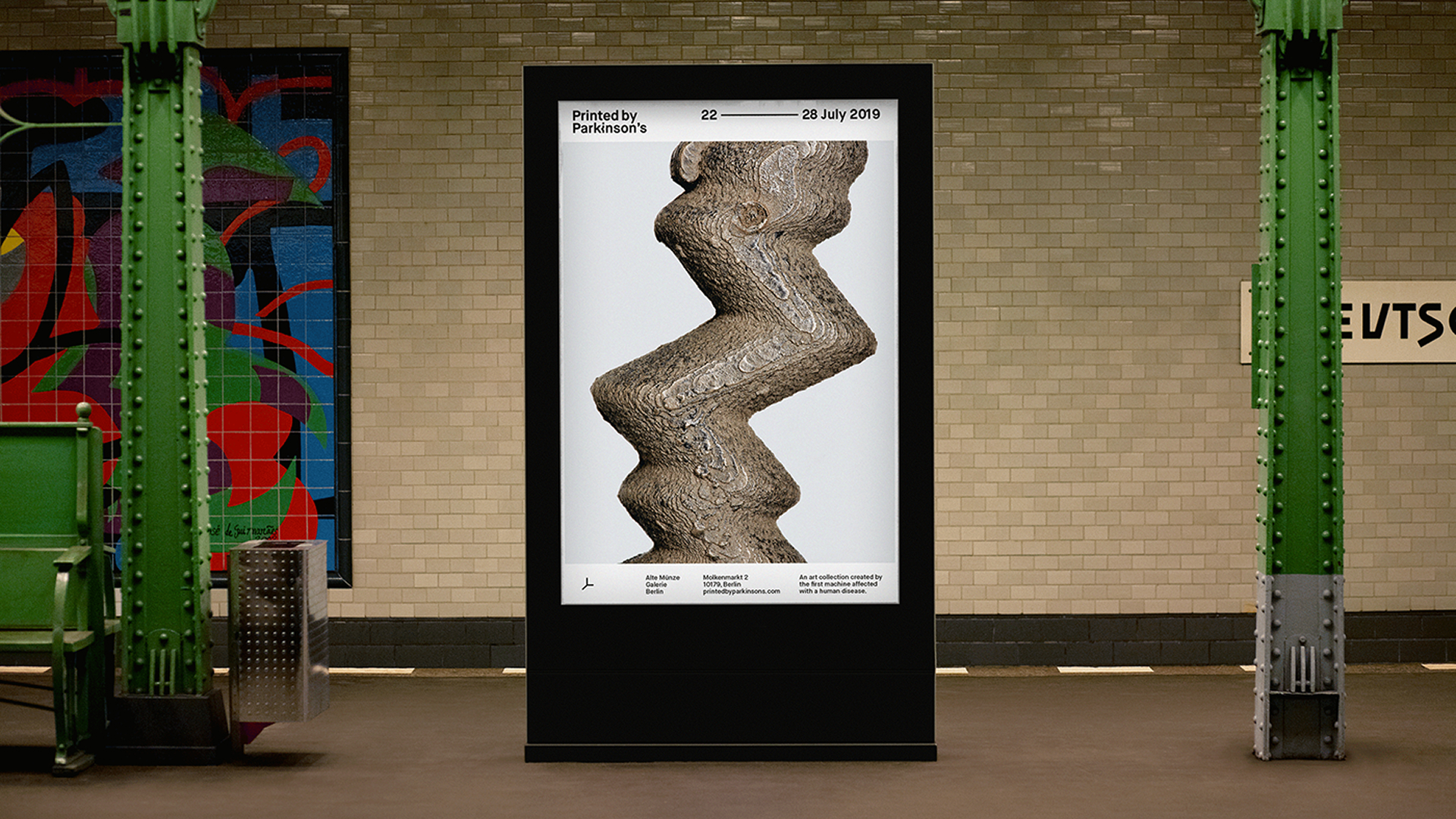
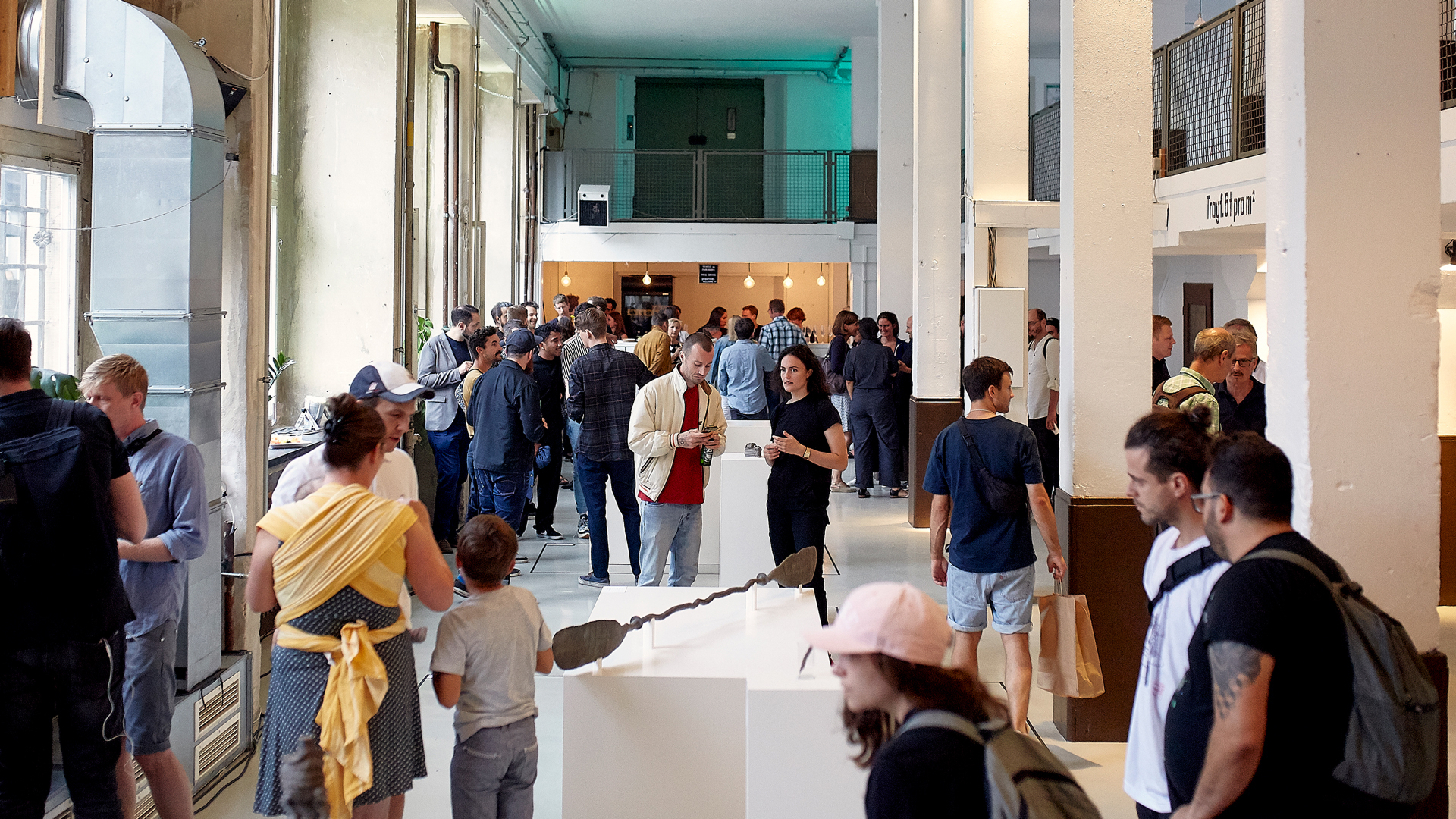
Launched on World Brain Day, the exhibition debuted in Berlin and was visited by patients, doctors, and art lovers alike. It quickly spread across national TV, tech blogs, medical platforms, and art publications worldwide earning recognition at health conferences and reigniting a global conversation about Parkinson’s.
Most importantly, it moved other patients to speak up. Some even approached us to join future editions of the project. That openness, the breaking of silence - is the real success.
Today, the collection lives on as a permanent installation in the Neurology Department of Charité Berlin, continuing to educate, inspire, and connect people across the world.
With gratitude to our creative collaborators: MediaMonks (digital production), Cosmopola (photo/video), Katja for the interviews, and Christian Meyer for the original music composition.